Madrid is the capital. 7 million inhabitants in the metropolitan area. Spain's political, financial and cultural center. Business + cultural + leisure tourism. And a vacation rental market that keeps growing but with increasingly strict regulation.
Unlike Barcelona (where licenses are practically prohibited) or Marbella (international luxury), Madrid has its own personality: year-round business tourism + events + cultural weekends.
That means constant demand, less dependence on high/low seasons, but also brutal competition (more than 12,000 active listings) and municipal regulation that tightens year by year.
This guide covers everything you need to manage vacation rentals in Madrid: VUT license, district-by-district regulations, best neighborhoods, operational challenges, and how automation is key to not dying in the attempt.
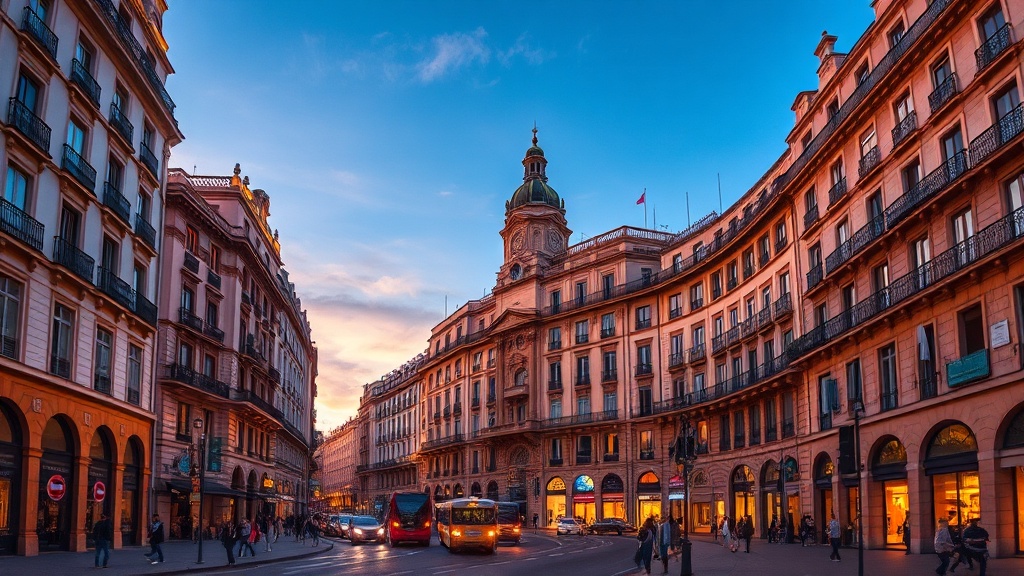
🏛️ Madrid Vacation Rental Regulation [2026]
VUT License: What It Is and How to Get It
VUT (Vivienda de Uso Turístico - Tourist Use Housing) is Madrid's mandatory municipal license to operate vacation rentals.
Basic requirements:
- Complete housing (not individual rooms)
- Valid habitability certificate
- Energy efficiency certificate
- Independent access from street (this is the most restrictive requirement)
- Self-protection plan if building has >50 tourist accommodation places
- Prior communication to homeowner association
The critical requirement: independent access
Here's the catch. "Independent access from street" means:
- Own door directly to public street
- Or access via entrance/stairway NOT shared with residential housing
In practice, most apartments in residential buildings DON'T meet this requirement because they share entrance with neighbors.
Where you CAN get VUT:
- Ground floors with street door
- Complete buildings dedicated to VUT
- Ground floors with independent entrance
- Townhouses and single-family homes
Where you CAN'T:
- Apartments in normal residential buildings (most of Madrid)
Consequence: Many properties in Madrid CANNOT get VUT legally, even if they're in permitted zones.
District-by-District Restrictions (2026 Update)
Madrid regulates VUT by districts. Some allow new licenses, others don't.
Districts with MORATORIUM (NO new VUT granted):
- Centro: Palacio, Embajadores, Cortes, Justicia, Universidad, Sol
- Part of Chamberí: Trafalgar, Almagro, Gaztambide
PERMITTED Districts (VUT granted if you meet requirements):
- Salamanca, Retiro, Arganzuela, Chamartín, Tetuán, Moncloa-Aravaca, Latina, Carabanchel, Usera, Puente de Vallecas, Moratalaz, Ciudad Lineal, Hortaleza, Villaverde, Villa de Vallecas, Vicálvaro, San Blas-Canillejas, Barajas
Pro tip: ALWAYS check on City Hall website if your specific address is in moratorium zone. Regulation changes every 1-2 years.
VUT Application Process
1. Verify if you can apply:
- Permitted district: ✓
- Independent access: ✓
- Community bylaws don't prohibit VUT: ✓
2. Gather documentation:
- Habitability certificate (€150-300)
- Energy certificate (€80-150)
- Liability insurance (€150-300/year)
- Property floor plans
- Communication to community (notification record)
3. Online application:
- Madrid City Hall web portal
- Fee payment: ~€170
4. Resolution:
- Timeframe: 1-3 months
- Possible municipal inspection
5. Regional registry:
- Once municipal VUT approved, register with Community of Madrid tourism registry
Total cost: €500-€1,000 (including documentation and fees).
Fines for Operating Without VUT
- Minor: €1,000-€15,000
- Serious: €15,001-€70,000
- Very serious: €70,001-€300,000
Madrid conducts frequent inspections, especially in Centro, Salamanca and Chamberí. Not worth the risk.
💰 Madrid Vacation Rental Market
Seasons: Less Seasonality Than Other Cities
Madrid doesn't depend on weather. Tourism works year-round.
High Season (March-June, September-November):
- Occupancy: 75-90%
- Average nightly rate: €80-€160
- Peaks: Easter Week, long weekends, FITUR (January-February), sports events (Champions League), fairs
- Clientele: Business tourism, conferences, cultural tourism
Mid Season (January-February, July, December except Christmas):
- Occupancy: 60-75%
- Average rate: €65-€120
- Clientele: Cultural tourism, weekend getaways
Low Season (August, Christmas):
- Occupancy: 40-60%
- Average rate: €55-€95
- Madrid empties in August (Madrileños go on vacation)
- Christmas: people return to their homes (less tourism)
Key difference vs Barcelona/Málaga: Madrid has less extreme peaks. No "super high season" like August on coast, but doesn't drop as much in winter either. More stable and predictable.
Potential Returns
1-bedroom apartment in Malasaña:
- Typical investment: €240,000-€360,000
- High season: €75-€120/night
- Low season: €55-€85/night
- Estimated annual revenue: €18,000-€28,000
- Gross ROI: 6-9%
2-bedroom apartment in Salamanca:
- Typical investment: €420,000-€650,000
- High season: €110-€180/night
- Low season: €75-€130/night
- Estimated annual revenue: €26,000-€42,000
- Gross ROI: 5-8%
3-bedroom flat in La Latina:
- Typical investment: €380,000-€550,000
- High season: €130-€210/night
- Low season: €85-€140/night
- Estimated annual revenue: €30,000-€48,000
- Gross ROI: 7-10%
2-bedroom penthouse in Chueca with terrace:
- Typical investment: €450,000-€680,000
- High season: €140-€220/night
- Low season: €95-€160/night
- Estimated annual revenue: €32,000-€52,000
- Gross ROI: 6-9%
Price factors:
- Metro <5 min walk: +10-15%
- Terrace/balcony: +15-20%
- AC: +10-15% (summers 35-40°C)
- Parking: +€20-30/night (pure gold in Madrid)
- Elevator: +10% (buildings without elevator = bad reviews)
- Recent renovation: +20-30%
🗺️ Best Madrid Neighborhoods for Vacation Rentals
Centro (If You Have Existing VUT)
Includes: Sol, Opera, Royal Palace, Huertas, Lavapiés
Why it works:
- Tourist epicenter: museums, monuments, nightlife
- Perfect connection (metro, train, bus)
- Very high year-round demand
Guest profile:
- Cultural tourists (first time in Madrid)
- Groups of friends
- Weekend getaways
Challenges:
- NO new VUT granted (moratorium zone since 2019)
- Only if you buy apartment that ALREADY has active VUT
- 24/7 noise (bars, terraces, tourists)
- Growing tourism fatigue (less than Barcelona, but exists)
- Old buildings without elevator
Average nightly rate: €75-€140
Recommendation: Only if you already have VUT. Don't buy here expecting to get new one.
Malasaña and Chueca
Why it works:
- Cool neighborhoods with alternative (Malasaña) and LGBTQ+ (Chueca) atmosphere
- Nightlife, bars, trendy restaurants
- Close to center (10 min walk to Sol)
- High international demand
Guest profile:
- Groups of friends (25-40 years)
- LGBTQ+ tourists (Chueca is world reference)
- Digital nomads (cafes, coworkings)
Challenges:
- Intense noise (especially weekends)
- Part of zone is in VUT moratorium
- Old buildings (maintenance, no elevator)
Average nightly rate: €70-€130
Recommendation: Verify if your specific street allows VUT. If yes, excellent investment for young audience.
La Latina
Why it works:
- Traditional Madrid neighborhood with tapas, terraces, Sunday Rastro market
- Authentic Madrid atmosphere
- Close to Royal Palace and center
- More accessible purchase price than Salamanca
Guest profile:
- Cultural tourists
- Groups seeking neighborhood life + tapas
- Families
Challenges:
- Noise (especially Sundays with Rastro market)
- Narrow streets, no parking
- Old buildings (renovations needed)
Average nightly rate: €75-€130
Recommendation: Good price/profitability balance. Ideal for groups seeking local experience.
Salamanca
Why it works:
- Luxury neighborhood (designer shops, premium restaurants)
- Business and high-end tourism
- Wide streets, well connected
- Safe and quiet
Guest profile:
- Business tourism (executives, conferences)
- High-income couples
- Families with children
Challenges:
- High initial investment (€400,000-€700,000)
- Less "authentic" than other zones (not "traditional Madrid")
- Competition with 4-5 star hotels
Average nightly rate: €100-€180
Recommendation: Excellent if targeting business tourism. Highlight professional services (desk, fast WiFi, parking).
Retiro and Barrio de las Letras
Why it works:
- Next to Retiro Park (Madrid's green lung)
- Museums (Prado, Reina Sofía, Thyssen)
- Quiet but central zone
- VUT permitted (not in moratorium)
Guest profile:
- Families with children (Retiro = perfect park)
- Cultural couples (museums)
- Tourists seeking tranquility + center access
Challenges:
- Less nightlife than Malasaña or Chueca
- High purchase price (premium zone)
Average nightly rate: €85-€150
Recommendation: Ideal for families and cultural tourism. Highlight Retiro proximity in photos.
Chamberí
Why it works:
- Residential neighborhood with local life
- Less touristy = less saturated
- Good connection (metro, Chamartín train nearby)
- VUT permitted on most streets
Guest profile:
- Digital nomads (1-3 month stays)
- Families
- Tourists preferring local neighborhoods
Challenges:
- 15-20 min walk to main attractions
- Less demand than super-touristy zones
Average nightly rate: €70-€120
Recommendation: Excellent for long-stays. Highlight local atmosphere, markets, neighborhood cafes.
🎯 Madrid-Specific Challenges
1. Independent Access Requirement
This is the toughest one. Most Madrid apartments share entrance with neighbors → don't meet VUT requirement.
Solution:
- Buy ground floors with street door
- Or invest in buildings dedicated to VUT
- Or pivot to temporary rental (32+ days, doesn't require VUT)
2. Centro Moratorium
The highest-demand zones (Sol, Opera, Huertas) are closed for new VUT.
Option 1: Buy property with existing VUT (pay 20-30% premium) Option 2: Invest in permitted zones (Salamanca, Retiro, Chamberí) Option 3: Temporary or long-term rental
3. Dead August
Madrid empties in August. Occupancy drops to 40-50%. Madrileños go on vacation, business tourism disappears.
Solution:
- Lower prices in August to maintain occupancy
- Offer long-stay discounts (1+ month for students, nomads)
- Factor into your ROI that August will be weak
4. Hotel Competition
Madrid has thousands of hotels and hostels. You compete not just with other Airbnbs, but with hotel chains.
Your advantage:
- Space (complete apartment > hotel room)
- Kitchen (important for long stays and families)
- Local atmosphere (authentic experience)
- Price (you can be more competitive than downtown hotels)
How to stand out:
- Professional photos selling "local experience"
- Personality decoration (not generic IKEA)
- Added services (welcome pack, local guides, personalized recommendations)
🤖 Automation: Key in a Competitive Market
Madrid has 12,000+ active listings. To stand out you need to be better, faster, more professional.
Problem: Slow Responses = Lost Bookings
Madrid tourists compare 10-15 listings. Whoever responds fast and well, wins.
Without automation:
- Take 2-6h to respond (working, sleeping, busy)
- Lose 30-40% of inquiries that go to competition
With HolaAI:
- Instant 24/7 response
- FAQs answered automatically
- Personalized information by guest type
Result:
- Inquiry conversion rate: +25-35%
- Reviews mentioning "super fast response" (even though it's bot)
Problem: Repetitive Messages x10000
Most frequent Madrid questions:
- How do I get from airport? (Barajas, T1/T2/T4)
- Where do I park? (parking critical in Madrid)
- What metro is nearby?
- Where are the museums? (Prado, Reina Sofía, Thyssen)
- Where do I eat well nearby?
- How does the transport card work?
You answer these 200+ times a year.
With automation:
- Templates for the 15 most frequent questions
- Automatically sent based on context
- Personalized with your property location
Savings: 3-5 hours/week per property.
Problem: Multi-Property Management
With 1 Madrid property, manual management is viable. With 3-5, you drown.
With message automation:
- Automatic check-in/out per property
- Zone-specific FAQs
- Personalized local recommendations (Malasaña ≠ Salamanca)
- Smart escalation
Result: Manage 5 properties with time previously spent on 2.
Real Case: Host with 4 Madrid Properties
Before:
- 4 apartments (Malasaña, Salamanca, La Latina, Chamberí)
- 8-12 hours/day during high season
- Hired virtual assistant at €1,400/month
- Reviews: 4.5-4.7★
After automating:
- Configured HolaAI with templates by zone and guest type
- Automated 85% of communication
- Management time: 2-3 hours/day (exceptions only)
- Fired assistant = saved €16,800/year
- Reviews: 4.9★ communication
ROI:
- HolaAI cost: €99/month = €1,188/year
- Savings: €16,800/year
- Revenue increase (better rating + occupancy): +8% = €12,000/year
- ROI: 2,400%
🎓 Tips from Successful Madrid Hosts
1. Optimize for Business Tourism
Madrid has constant demand from executives, conferences, events.
What they need:
- Ultra-fast WiFi (300+ Mbps)
- Desk + ergonomic chair
- Quiet zone for video calls
- Flexible check-in/out (arrive late, leave early)
How to stand out:
- Photos of workspace
- Mention nearby coworkings
- Offer invoices with VAT
Pro tip: Collaborate with companies in your area. Volume discounts (5+ bookings/year).
2. Leverage Events and Fairs
Madrid has full calendar:
- FITUR (January/February) — tourism fair
- Madrid Fashion Week (February, September)
- Champions League (if Real Madrid or Atlético plays)
- Large concerts (Wanda Metropolitano, WiZink Center)
- IFEMA conferences
Strategy:
- Raise prices 20-40% during events
- Post in Facebook groups of attendees
- Offer event transportation info
3. August Long-Stays
August is low season. Instead of lowering price and suffering 40% occupancy, pivot to long-stays:
- Digital nomads (1-2 months)
- Spanish students (summer courses)
- Displaced professionals
Discount: 30+ days -25%, 60+ days -30%
4. Create Personalized Madrid Guide
Don't copy-paste generic TripAdvisor guides. Create specific guide for YOUR zone:
- 3 best tapas bars <10 min
- Nearest supermarket
- 24h pharmacy
- Where to buy transport card
- Local markets (Antón Martín, San Miguel, San Fernando)
Automatically send with HolaAI at check-in. Reviews mention "super useful guide" = differentiation.
📊 Frequently Asked Questions
Can I get a VUT license in Madrid in 2026?
Depends on two factors: 1) District: if you're in Centro or part of Chamberí, NO (active moratorium). In other districts like Salamanca, Retiro, Arganzuela, yes they grant them. 2) Independent access: your property must have street entrance without sharing entrance with residential housing. Most apartments in normal buildings DON'T meet this. Verify with City Hall before buying.
What is the "independent access" requirement for VUT in Madrid?
Means your housing must have own entrance from street OR access via entrance/stairway NOT shared with residential housing. In practice, qualify: ground floors with street door, complete buildings dedicated to VUT, townhouses. DON'T qualify: apartments in residential buildings with shared entrance (most of Madrid). This requirement excludes thousands of properties that, even in permitted district, cannot get VUT.
How much does getting VUT license in Madrid cost?
Documentation + fees: €500-€1,000 total. Breakdown: habitability certificate (€150-300), energy certificate (€80-150), liability insurance (€150-300/year), municipal fee (~€170). Resolution timeframe: 1-3 months. NOTE: this only if your property meets requirements (permitted district + independent access).
Is investing in Madrid vacation rentals profitable in 2026?
Yes, if you have legal VUT and professionalize your management. Gross ROI: 6-10% depending on zone. Madrid has advantages: year-round tourism (less seasonality than coast), stable business demand, predictable average prices. But requires high initial investment (€250,000-€650,000) and automation to compete with 12,000+ listings. Without legal VUT, forget it (fines €1,000-€300,000).
Conclusion: Madrid Is Predictable and Professional
Madrid doesn't have Marbella's glamour or Barcelona's tourist saturation. But it has something better: stability and professionalism.
Advantages:
- Year-round demand (business + cultural tourism)
- Less seasonality than coast
- Clear regulation (if you meet requirements, you can operate)
- Mature and predictable market
Challenges:
- Independent access requirement excludes many properties
- Moratorium in highest-demand zones (Centro)
- Brutal competition (12,000+ listings + hotels)
- Weak August
Success key:
- Only invest if you can get legal VUT
- Professionalize: photos, automation, premium services
- Focus on business tourism and long-stays
- Automate communication to scale without dying
Try HolaAI free for 30 days — manage your Madrid properties with instant responses, impeccable communication, and time to grow your business instead of living glued to your phone.