You bought a property in Lisbon. Now you're living in Dubai.
You inherited an apartment in Barcelona. You're still in London.
You found the perfect vacation rental investment in Bali. Your day job is in New York.
Here's the question: Can you actually manage an Airbnb remotely without losing your mind?
Short answer: Yes. But not the way most people think.
You can't just wing it from 3,000 miles away. You need systems, reliable people on the ground, automation tools, and bulletproof emergency protocols. This isn't passive income — it's delegated income.
This guide covers everything you need to manage your Airbnb remotely like a pro: the team you'll need, the tools that actually work, how to handle emergencies at 3am, and what no one tells you about remote Airbnb management until you've already made the expensive mistakes.
Let's get into it.

Can You Really Manage Airbnb from Abroad?
Real talk: managing Airbnb remotely is harder than managing it locally. But it's absolutely doable if you set up properly.
Here's what makes remote Airbnb management challenging:
❌ You can't just "pop over" when something breaks
That toilet leak? You're coordinating a plumber via WhatsApp at midnight. The guest locked themselves out? You're directing them to a lockbox while on a different continent.
❌ Time zones are brutal
Guest emergency at 2am their time is 10am your time — unless it's 2am YOUR time because you're sleeping in a different hemisphere.
❌ Local knowledge gaps
You don't know which plumber shows up fast. Which cleaner you can trust with your keys. Which locksmith won't rip you off.
❌ No physical oversight
You're trusting people you might have never met to maintain your most valuable asset.
But here's what makes it possible:
✅ Technology has caught up
Smart locks, noise monitors, automated messaging, remote check-ins. You can manage 80% of hosting from your phone.
✅ You can build a local team
The right property manager, cleaner, and handyman can be better than you being there yourself.
✅ Automation handles repetitive tasks
Pre-arrival messages, check-in instructions, review requests — all automatic. You focus on exceptions, not routine.
✅ Airbnb's infrastructure supports it
Instant Book, scheduled messages, co-host tools, professional hosting teams. The platform wants you to succeed remotely.
The truth? Remote property management works best when you treat it like a real business, not a side hustle you check occasionally.
Let's build the system that makes it work.
The Essential Remote Airbnb Management Toolkit 🛠️
You can't manage Airbnb from abroad with just the Airbnb app. You need a tech stack that gives you control, visibility, and peace of mind from anywhere.
Core Tech You Actually Need
1. Smart Lock (Non-Negotiable)
Physical keys are your enemy when managing remotely. You need:
- Remote access code generation for each guest
- Auto-expiring codes that deactivate after checkout
- Backup mechanical key hidden somewhere only you + your cleaner know
Best options: August, Schlage Encode, Yale Assure, RemoteLock, Igloohome (works offline)
Pro tip: Test it 100 times before your first guest. A failed smart lock = guest fury + emergency locksmith bill.
2. Noise Monitor (Save Your Sanity)
Neighbors complaining about parties? Noise monitors alert you before the cops show up.
What to get: Minut, NoiseAware, Alertify
What NOT to get: Anything with cameras/audio recording (illegal in most rentals)
These devices measure decibel levels, not conversations. Legal, privacy-friendly, party-preventing.
3. Security Cameras (Exterior Only)
Legal zones: Doorbell, driveway, backyard (disclose in listing)
Illegal zones: Bedrooms, bathrooms, any interior living space
Best for remote hosts: Ring Video Doorbell, Nest Doorbell, Arlo
Why you need it: Verify guest count, catch smoking/pets, document disputes, monitor deliveries.
4. Automated Messaging System
Sending check-in instructions manually for every booking? That's not remote management — that's remote micro-management.
You need automated messages that:
- Trigger at the right time (2 days before, morning of arrival, 1 hour after check-in)
- Personalize based on guest data
- Handle common questions without you
- Escalate complex issues to you
Options: HolaAI (AI-powered, handles context), Hostfully, TouchStay, Smartbnb
Reality check: Automation isn't about being lazy. It's about ensuring guests get critical information even if you're asleep, on a plane, or in a meeting.
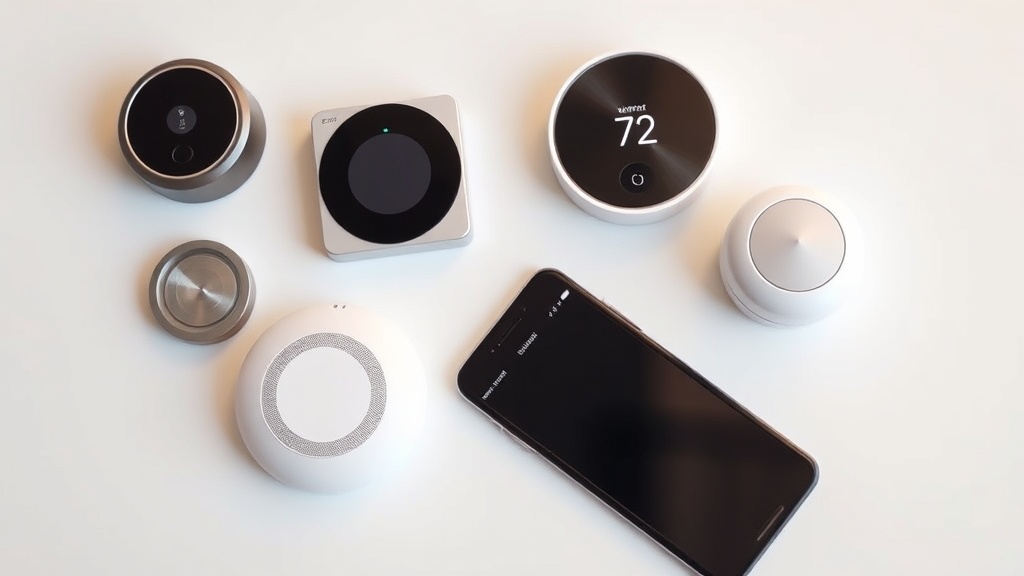
5. Smart Thermostat
Energy costs + guest comfort + remote control.
Best picks: Nest Thermostat, Ecobee, Sensibo (works with existing AC units)
Set temperature limits (no more 15°C AC blasting all night), create schedules, adjust remotely when guests complain it's too cold.
6. WiFi That Doesn't Suck
Your WiFi going down = bad review. Guaranteed.
Must-haves:
- Mesh system for full coverage (Google Wifi, Eero, Ubiquiti)
- Guest network (keeps your smart home separate)
- Remote restart capability (TP-Link Kasa, smart plug)
Pro move: Leave a mobile hotspot as backup with clear instructions: "If WiFi down, turn on device labeled BACKUP WIFI, password on bottom."
7. Digital Guidebook
Stop answering "how does the TV work?" for the 50th time.
Tools: Touchstay, Hostfully, Enso Connect, or just a well-organized Notion page
Include: WiFi, appliances, house rules, local recommendations, emergency contacts, checkout instructions
Make it accessible: QR code on the fridge, link in welcome message, printed backup copy.
Nice-to-Have Upgrades
Water leak sensors → Get alerts before minor leak = major damage
Smart plugs → Remotely restart router, turn off forgotten appliances
Air quality monitor → Catch mold, humidity, smoke (Awair, Airthings)
The goal: Know what's happening in your property, control what matters, automate what's repetitive.
Building Your Remote Management Team 👥
Here's the uncomfortable truth about remote Airbnb management: You can't do it alone.
Not well. Not sustainably.
You need reliable people in the same city as your property. Period.
Who You Need (Minimum Viable Team)
1. Cleaner (Your Most Critical Hire)
What they do:
- Turnover cleaning between guests
- Inspect for damage after checkout
- Restock essentials (toilet paper, coffee, soap)
- Report maintenance issues
- Sometimes handle late checkouts + early check-ins
How to find them:
- Local host Facebook groups (best source)
- Turnoverbnb, Turno, Properly
- Property management companies (some offer cleaning only)
- Ask other Airbnb hosts in your city
What to pay:
€30-70 per turnover (depends on property size + location)
Red flags:
- No references from other short-term rental hosts
- Can't do same-day turnovers (your occupancy will suffer)
- Doesn't send post-clean photos for verification
- Isn't responsive in your time zone
Pro tip: Pay slightly above market rate. Your cleaner is your eyes, ears, and hands. A great cleaner is worth double a mediocre one.
2. Handyman / Maintenance Contact
What they do:
- Handle repairs (plumbing, electrical, appliances)
- Emergency response (broken lock, no hot water, AC failure)
- Preventive maintenance (HVAC servicing, smoke alarm batteries)
How to find them:
- Ask your cleaner (they usually know someone reliable)
- Local expat Facebook groups (often in English, easier coordination)
- Property management recommendations
- TaskRabbit, Thumbtack (for non-emergency work)
Set expectations upfront:
- Response time for emergencies (2 hours max)
- Pricing structure (hourly rate vs fixed-price repairs)
- Communication method (WhatsApp, SMS, phone)
Have backups. One plumber, one electrician, one general handyman. You need redundancy.
3. Property Manager (Optional, Depends on Scale)
When you need one:
- 3+ properties in same city
- High-maintenance property (old building, frequent issues)
- Premium listing where you can't afford downtime
- You're terrible at operations and hate managing details
What they charge:
20-30% of revenue (ouch, but sometimes worth it)
What you get:
- Full-service: guest communication, cleaning coordination, maintenance, restocking
- Some handle pricing/optimization too
- Local presence for serious issues
When to skip it:
- 1-2 properties that run smoothly
- You enjoy the operational side
- Margins are tight (that 25% fee hurts)
Hybrid option: Property manager for guest emergencies only, you handle everything else. Negotiate custom rates.
4. Co-Host (Sometimes Better Than Property Manager)
Airbnb's official co-host feature lets someone local handle:
- Guest messaging
- Check-in coordination
- Review management
- Pricing updates
Difference from property manager: They work through Airbnb's platform. Transparent. Less "black box."
Best for: When you have a trusted friend/family member in the city who's willing to help for a cut (10-15% typical).
Communication Protocols That Actually Work
Managing people remotely = over-communicate or under-deliver.
Set these expectations from day one:
✅ Response time requirements
Emergencies: under 2 hours. Non-urgent: same business day.
✅ Preferred communication channel
WhatsApp business, Telegram, SMS — pick ONE and stick to it.
✅ Photo documentation for everything
Post-clean photos, damage reports, completed repairs. You're remote — you need proof.
✅ Standardized checklists
Cleaning checklist, turnover checklist, pre-arrival inspection. Less ambiguity, fewer mistakes.
✅ Weekly check-in calls
15 minutes every Monday. Discuss upcoming bookings, maintenance needs, issues. Prevents surprises.
Pro tip: Use Notion, Airtable, or Asana to track everything. Shared task lists mean everyone knows what's happening.
Automating Guest Communication (Without Sounding Like a Robot) 🤖
You're in Berlin. Guest is checking in tomorrow in Athens. They message you at 11pm their time asking for check-in instructions.
Option A: You wake up 4 hours later, scramble to send instructions, guest is frustrated.
Option B: Automated message sent at 9am their time (day before arrival) with all check-in details. Guest happy. You asleep.
Remote Airbnb management = automation or insanity.
What to Automate (The Smart Way)
Pre-booking (inquiry responses)
Instant reply with property highlights + availability. Increases booking conversion by 30-40%.
Booking confirmation
"Thanks for booking! Here's what happens next..." Sets expectations, reduces questions.
Pre-arrival (48 hours before)
Check-in time, parking instructions, address, contact info. Guests save this message — make it complete.
Access instructions (morning of arrival)
Lockbox code, door location, apartment number, WiFi password. Send 6-8am their local time.
Welcome + guidebook (1 hour after check-in)
House rules reminder, neighborhood tips, where things are. Timing matters — they're unpacked and settling in.
Mid-stay check (longer stays)
"Everything okay? Need anything?" Day 3 for week-long stays. Catches problems before they fester.
Pre-checkout reminder (night before)
Checkout time, what to do with keys, simple exit instructions.
Thank you + review request (24 hours after checkout)
Personalized thank you, ask for review. Mention you left them 5 stars (reciprocity works).
The trick? Make automated messages feel personal.
Writing Automated Messages That Don't Suck
❌ Bad automation:
"Dear guest, your check-in time is 3pm. The property is located at [address]. Please follow house rules."
✅ Good automation:
"Hey Sarah! Excited to host you tomorrow. Check-in is anytime after 3pm — I'll send the door code tomorrow morning. Flight arriving on time?"
The difference:
- Uses guest's name (variable: {guest_first_name})
- Warm tone, not corporate
- Asks a question (encourages engagement)
- Gives info in natural language
Pro tip: Write messages like you'd send them manually, then automate the sending. Don't write messages that sound automated.
When NOT to Automate
Some messages need a human touch:
🚫 Guest complaints or issues
Never auto-respond to "the shower is broken" or "neighbors are too loud."
🚫 Complex questions about the property
"Can we host a small birthday dinner?" needs judgement, not a template.
🚫 Booking modifications
Extra night requests, early check-in, late checkout — negotiate personally.
🚫 Damage or disputes
Don't auto-send "you broke this." Always handle with care.
The rule: Automate routine information delivery. Respond personally to anything that needs judgement, empathy, or negotiation.

Tools That Actually Work
Basic (Free-ish):
Airbnb's scheduled messages — Limited but functional. Set up pre-arrival, check-in, checkout messages.
Intermediate:
Smartbnb, Hostfully, TouchStay — Better customization, more triggers, still template-based.
Advanced (AI-powered):
HolaAI — Responds to guest questions contextually, not just templates. Knows the difference between "where's the WiFi password?" and "is there a crib available?"
Why AI matters for remote hosts:
You're asleep when guests message. You're on a plane. You're in a meeting. AI handles common questions instantly, escalates complex ones to you. Guests get fast responses. You stay sane.
Sample Automation Workflow
Day -7: Booking confirmation + expectations email
Day -2: Pre-arrival info (address, parking, access instructions overview)
Day 0 (8am local time): Access codes + WiFi + "I'm available if you need anything"
Day 0 (2 hours after check-in): "Everything good? Here's the digital guidebook"
Day 3 (for 7+ night stays): "Need fresh towels or anything restocked?"
Day -1 before checkout (evening): Checkout instructions reminder
Day +1 after checkout: Thank you + review request
You manually handle: Damage reports, special requests, maintenance issues, booking mods, complaints.
Time saved: 15-20 hours per month for a property with 20 bookings.
Guest satisfaction: Higher, because they get info exactly when they need it, not when you remember to send it.
Pricing & Revenue Management from Afar 💰
You're managing your Airbnb remotely. You're not checking local events, competitor pricing, or seasonal demand every day.
Bad news: Manual pricing from abroad = leaving 20-30% revenue on the table.
Good news: Pricing automation works better when you're remote, because you're not emotionally attached to your calendar.
Dynamic Pricing (Set It and Forget It)
Manual pricing problems when you're remote:
- You don't know there's a concert next weekend
- You don't see competitor prices dropped
- You miss high-demand weekends
- You don't adjust for last-minute gaps
Dynamic pricing tools fix this:
PriceLabs (most popular) — AI-driven pricing based on demand, events, comps
Beyond Pricing — Simpler, good for beginners
Wheelhouse — Granular control, better for advanced hosts
DPGO — Free tier available, decent for single properties
How it works:
- Set your base price (floor you won't go below)
- Set max price (ceiling for high-demand)
- Tool adjusts daily based on local demand, events, competitor pricing, booking lead time
- Sync directly to Airbnb (no manual updates)
Typical result: 15-25% revenue increase compared to static pricing, because you capture demand spikes + fill gaps with discounts.
Strategies for Remote Revenue Optimization
1. Orphan day discounts
If you have a 1-night gap between bookings, drop price 20-30%. Better €50 than €0.
2. Last-minute pricing
Bookings within 3 days? Automatic 10-15% discount. Empty property earns nothing.
3. Early bird premium
Bookings 30+ days out? Add 10-15%. Guests planning ahead pay more for certainty.
4. Minimum stay adjustments
High season: 3-night minimum. Low season: accept 1-night stays. Set rules, not manual overrides.
5. Weekly/monthly discounts
20% off weekly, 30% off monthly. Longer stays = fewer turnovers = better margins even at discount.
Pro tip: Remote hosts should lean HARD into automation here. You're not around to check demand daily. Let software do it.
Length of Stay Optimization
Short stays (1-2 nights):
Pros: Higher nightly rate, more flexibility
Cons: More turnovers (cleaning costs), more guest communication, more wear and tear
Best for: City center properties, weekend getaway locations
Medium stays (3-7 nights):
Pros: Balance of turnover and revenue
Cons: Still requires active management
Best for: Vacation destinations, digital nomad hubs
Long stays (weekly/monthly):
Pros: Less turnover, more stable, fewer emergencies, easier to manage remotely
Cons: Lower nightly rate, slower to adjust if market changes
Best for: Remote hosts who want less operational hassle
The remote management sweet spot? 3-7 night minimum in high season, flexible in low season. Fewer turnovers = fewer coordination headaches when you're in a different time zone.
Emergency Protocols When You're 5000 Miles Away 🚨
It's 3am. Guest messages: "There's water leaking from the ceiling."
You're on another continent. What do you do?
This is the moment remote Airbnb management either works or completely falls apart.
Build Your Emergency Response Playbook
Level 1: Minor Issues (guest can handle)
Problem: WiFi not working, TV won't turn on, coffee maker broken
Response time: Within 2 hours
Solution: Troubleshooting guide in your digital guidebook + your support
Guest message:
"Sorry you're dealing with this! Here's how to fix: [step by step]. If that doesn't work, I'll send someone over first thing tomorrow. In the meantime, [alternative solution - mobile hotspot, nearby cafe, backup coffee method]."
Level 2: Moderate Issues (need local help)
Problem: Clogged toilet, broken lock, AC not cooling, hot water out
Response time: Within 1 hour (acknowledgment), within 3 hours (solution)
Solution: Call your handyman, give ETA to guest, follow up
Guest message:
"I'm really sorry about this. I'm calling [handyman name] right now — he'll be there within [time estimate]. I'll keep you updated every 30 minutes until it's fixed. In the meantime, [workaround if available]."
Level 3: Critical Issues (safety risk)
Problem: Gas leak, flooding, fire, break-in, electrical hazard
Response time: Immediate
Solution: Guest safety first, emergency services, local team + property manager
Guest message:
"Your safety is the priority. [If gas leak: open windows, don't touch electrical switches, evacuate]. I'm calling emergency services now + my local manager who will be there in 15 minutes. Call me directly if you need anything: [your number]."
Pre-Program Your Emergency Contacts
You need a laminated card in the property + digital version in your guidebook:
🚨 EMERGENCY CONTACTS
Fire/Ambulance/Police: [local emergency number]
Property owner (me):
[Your phone, WhatsApp, Telegram]
Available 24/7 for emergencies
Local property manager:
[Name + number]
Building manager:
[Name + number]
24-hour maintenance:
[Handyman name + number]
24-hour locksmith:
[Name + number]
Nearest hospital:
[Name + address]
Gas/Water shutoff:
[Location + instructions]
Guests don't call these in order — they panic and call whoever's first on the list. Make sure the right people are reachable.
Decision Tree: When to Comp, Refund, or Relocate
Minor inconvenience (WiFi down 3 hours, noisy neighbors one night):
→ Apology + small gesture (€20 refund, bottle of wine, late checkout)
Major inconvenience (no AC in summer, no hot water 24+ hours):
→ Partial refund (1-2 nights) + sincere apology
Property uninhabitable (flooding, no heat in winter, safety issue):
→ Full refund for affected nights + help booking alternative accommodation
The golden rule: Be proactive, not reactive. Offer the refund before they demand it. Keeps reviews salvageable.
Insurance & Liability (Don't Skip This)
Airbnb's Host Damage Protection covers up to $3M in property damage — but has exclusions.
What you actually need:
Short-term rental insurance policy
(Not homeowners insurance — that often excludes STRs)
Covers:
- Property damage beyond Airbnb's coverage
- Liability if guest gets injured
- Business interruption (if property becomes uninhabitable)
Good providers: Proper Insurance, Safely, Steadily, CBIZ (varies by country)
Cost: €500-1500/year (varies by property value + location)
Why it matters more when you're remote: You can't inspect damage immediately. You need coverage that doesn't require you physically being there within 24 hours.
The Biggest Remote Management Mistake
What kills remote hosts: Slow response time.
Guest has an issue. You're asleep. They message. You wake up 8 hours later. Issue has escalated. Guest is furious. Bad review locked in.
The fix:
1. Set Airbnb expectations in house rules:
"I manage this property remotely. For emergencies, call [local manager]. For non-urgent questions, I respond within [X] hours."
2. Use AI messaging to acknowledge instantly:
"Got your message! Looking into this now — I'll have an update for you within [time]."
(Then you actually respond when you wake up, but they know you saw it.)
3. Empower your local team to act:
Give your property manager / handyman authority to spend up to €200 on emergency fixes without asking you first. Speed matters more than approval process.
4. Have a backup communication method:
WhatsApp, Telegram, SMS, phone call. If they can't reach you on Airbnb, they need an alternative.
Remote hosts who succeed: Respond fast, fix problems faster, over-communicate progress.
Remote hosts who fail: "Sorry, I was asleep" doesn't fix a flooded bathroom.
Legal, Tax, and Compliance When You're Not Local 📋
You're managing an Airbnb remotely. You might not live in the same country as your property.
Here's what no one tells you: Cross-border short-term rental management has legal and tax landmines everywhere.
Short-Term Rental Regulations (By City/Country)
This is hyperlocal. What's legal in Lisbon might be illegal in Barcelona.
Common restrictions:
Registration requirements
Many cities require STR license/permit before listing (Barcelona, Paris, Amsterdam, NYC, etc.)
Penalty for non-compliance: €3,000-10,000+ fines
Maximum nights per year
London: 90 nights, Amsterdam: 30 nights (primary residence), Paris: 120 nights
Penalty: Fines, listing removal, legal action
Primary residence rules
Some cities only allow STRs in your actual home, not investment properties
Penalty: Forced sale, retroactive fines
Building/HOA restrictions
Condo association might ban short-term rentals even if city allows them
Penalty: Legal fees, fines, forced stop
Tourism taxes
Most cities charge per-night tourist tax (€1-5/night) that you must collect + remit
Penalty: Back taxes + fines
How to stay compliant when you're remote:
-
Hire a local accountant/lawyer BEFORE listing
They know the rules. Google doesn't. €500 consultation saves €10K in fines. -
Register your property properly
Get your license/permit number, display it on your listing -
Use Airbnb's tax collection (where available)
Airbnb auto-collects + remits tourist tax in many cities. Enable it. -
Track all local regulations
Set Google alerts for "[your city] short-term rental regulations." Laws change fast. -
Consider having a local address for official correspondence
Property manager or attorney's office. Don't miss legal notices because mail went to your foreign address.
Tax Implications (Not Legal Advice, But You Need to Know This)
Where you'll owe taxes:
Property location (local taxes)
Income tax on rental revenue in the country where property is located
Your residence (personal taxes)
Declare foreign rental income in your home country (often with foreign tax credits)
VAT/Sales tax
Some countries require VAT registration for short-term rentals above certain thresholds
Capital gains (eventual sale)
Taxed in property location country, plus possible tax in residence country
Common mistakes remote hosts make:
❌ Only declaring income in home country (illegal — property country wants their cut too)
❌ Not keeping receipts for expenses (cleaning, maintenance, utilities — all deductible)
❌ Mixing personal + business finances (separate account for rental = cleaner taxes)
❌ Not understanding double taxation treaties (might save you thousands)
Action step: Hire an accountant who specializes in international real estate. This isn't DIY territory.
Insurance Gaps No One Warns You About
Standard homeowners insurance ≠ short-term rental insurance.
What homeowners policies often exclude:
- Tenant/guest liability
- Loss of income (if property damaged)
- Commercial activity (STRs = commercial use in many policies)
What happens if you file a claim and insurer discovers you run an Airbnb?
Claim denied + policy canceled. You've been uninsured this whole time.
What you need:
- STR-specific insurance (Proper, Safely, etc.)
- Liability coverage for guest injuries
- Business interruption for lost income if property uninhabitable
- Contents coverage for furnishings
When managing from abroad: Make sure your policy doesn't require you to inspect damage within 24-48 hours. Some do. You can't.
Contracts & Agreements for Your Local Team
Handshake agreements fail when you're remote.
Get in writing:
Cleaning contract:
- Scope of work (checklist)
- Turnaround time expectations
- Pricing (per clean, not hourly)
- Damage reporting protocol
- Payment terms
Property manager agreement:
- Services included (guest comms, maintenance coordination, etc.)
- Fee structure (% of revenue or flat rate)
- Termination clause (30-90 days notice)
- Insurance requirements
- Decision-making authority limits
Maintenance/handyman:
- Emergency response time commitment
- Pricing (hourly rate vs flat-rate repairs)
- Approval thresholds (spend up to €X without asking)
- Payment terms
Why this matters remotely: You can't just "drop by and sort it out" if there's a dispute. Clear contracts prevent misunderstandings across time zones and languages.
Real Remote Host Case Studies 📊
Theory is nice. Reality is better.
Here are three remote Airbnb management scenarios (real situations, names changed).
Case Study 1: The Digital Nomad's Nightmare → Success
Situation:
James bought a 2-bed apartment in Porto. Lives in Thailand. Managed remotely for 6 months. Revenue was good. Then his cleaner quit with zero notice during high season.
Disaster:
Guest checking in same day. No cleaner. James scrambling on WhatsApp trying to find someone. Guest arrives to dirty apartment. 1-star review. Booking cascades cancel.
Lesson learned:
Always have backup cleaners. Now James has:
- Primary cleaner (regular rate)
- Backup cleaner (15% premium, worth it)
- Emergency cleaning service (expensive, but available same-day)
Current result:
18 months remote hosting. 4.9 rating. €3,200/month average revenue. Works 5 hours/week on the listing.
His advice: "Don't be cheap on the team. Paying 10% more for reliability saves you 100% of the headaches."
Case Study 2: The "Set It and Forget It" Failure
Situation:
Maria inherited a flat in Barcelona. Lives in Berlin. Listed it on Airbnb. Hired a property manager. "They'll handle everything." Checked in once a month.
Disaster:
6 months in, occupancy dropped from 85% to 40%. She had no idea why. Property manager blamed "market conditions."
Reality: Listing photos were outdated, pricing too high, response time was slow, reviews mentioned issues that weren't fixed.
Lesson learned:
Remote management ≠ zero management. Now Maria:
- Weekly check-in calls with property manager
- Monthly review of metrics (occupancy, ADR, RevPAR)
- Quarterly visits to inspect + refresh photos
- Direct access to cleaning team (not just through PM)
Current result:
Occupancy back to 80%. Switched to better property manager. Actively involved without micromanaging.
Her advice: "Hire help, but verify everything. Distance isn't an excuse for ignorance."
Case Study 3: The Automation Winner
Situation:
Priya manages 3 properties in Lisbon from London. Software engineer. Built systems from day one:
- Smart locks on all properties
- Noise monitoring
- Automated messaging via HolaAI
- Dynamic pricing (PriceLabs)
- Shared Notion workspace with cleaner + handyman
- Security cameras (exterior only)
Result:
Averages 2 hours per week per property (6h/week total). Revenue 25% higher than comparable listings.
How she does it:
Automation handles:
- Guest check-in (100% self-service)
- Common questions (WiFi, appliances, recommendations)
- Pre-arrival info
- Review requests
She manually handles:
- Booking edge cases (special requests, modifications)
- Maintenance coordination (but handyman does the work)
- Quarterly property visits
Her advice: "Invest in tech upfront. I spent €2,000 on smart home + automation tools. Saved 500+ hours in year one. Best ROI ever."
The pattern: Remote hosting works when you:
- Build redundancy (backup team)
- Stay informed (don't disappear)
- Automate ruthlessly (tech > manual work)
Is Remote Airbnb Management Worth It? (The Real Math)
Let's say you own a 1-bed apartment in Valencia. Worth €200K. Market rent long-term: €800/month.
Option A: Long-term rental (easy)
€800/month × 12 = €9,600/year
Minimal management. Stable. Boring.
Option B: Short-term rental (remote managed)
Average €80/night × 70% occupancy × 365 days = €20,440/year
Minus expenses:
- Cleaning: €40 × 255 turnovers = €10,200
- Utilities: €100/month = €1,200
- Airbnb fees (3%): €613
- Linens/supplies: €800
- Maintenance: €1,200
- Insurance (STR-specific): €800
- Property manager (optional, 20%): €4,088
Net profit (without property manager): €5,627
Net profit (with property manager): €1,539
Wait — that's LESS than long-term rental?
Yes, if you hire full-service property management.
No, if you manage it yourself (remotely) using automation.
The Real Numbers (DIY Remote Management)
Same property, but you handle guest comms + coordination yourself:
Revenue: €20,440
Minus expenses: €14,813 (no property manager)
Net profit: €5,627
BUT: Add your time cost.
If you spend 10 hours/month managing remotely:
120 hours/year × your hourly rate
If your time is worth €30/h: €3,600 labor → real profit €2,027
If your time is worth €50/h: €6,000 labor → you're losing money
If your time is worth €10/h: €1,200 labor → profit €4,427
The break-even question: Is the extra revenue worth your time + the operational hassle?
When Remote Airbnb Management Makes Sense
✅ Go remote when:
- Property is in a high-demand tourist area (your revenue easily beats long-term)
- You enjoy operations + systems (not everyone does)
- You have reliable local team (cleaner + handyman minimum)
- You use automation tools (or you'll burn out)
- Property is in good condition (old properties = constant emergencies)
- You're willing to invest in tech (smart lock, noise monitor, etc.)
❌ Skip remote management when:
- Property is in low-demand area (occupancy under 60% = not worth it)
- You hate operational work (you'll resent it)
- You can't find reliable local team (you'll be flying there constantly)
- Property needs constant maintenance (remote emergency management is hell)
- Local regulations are hostile to STRs (fines > profit)
The honest truth: Remote Airbnb management is a business, not passive income. Treat it like one or don't do it.
Your 30-Day Remote Management Setup Checklist ✅
You've decided to manage your Airbnb remotely. Here's how to set up properly in the first month.
Week 1: Foundation
Day 1-2: Legal compliance
☐ Research local STR regulations
☐ Apply for STR license/permit (if required)
☐ Register with local tax authority
☐ Set up separate bank account for rental income
Day 3-4: Insurance & protection
☐ Get short-term rental insurance quote
☐ Purchase STR-specific policy
☐ Enable Airbnb Host Damage Protection
☐ Review liability coverage limits
Day 5-7: Build local team
☐ Interview 3+ cleaners, hire primary + backup
☐ Find reliable handyman/maintenance contact
☐ Get 24-hour emergency locksmith contact
☐ Identify property manager (optional, for emergencies)
Week 2: Tech & Automation
Day 8-10: Smart home basics
☐ Install smart lock (test 50x before first guest)
☐ Set up noise monitor
☐ Install exterior security camera (if applicable)
☐ Set up smart thermostat
☐ Upgrade to mesh WiFi system
Day 11-13: Automation setup
☐ Choose + set up automated messaging (HolaAI or alternative)
☐ Write message templates (use these)
☐ Set up triggers (pre-arrival, check-in, checkout, etc.)
☐ Test message flows with fake bookings
Day 14: Pricing automation
☐ Sign up for dynamic pricing tool (PriceLabs/Beyond/Wheelhouse)
☐ Set base price, minimum, maximum
☐ Configure orphan day discounts, last-minute pricing
☐ Set length-of-stay discounts
Week 3: Operations & Documentation
Day 15-17: Create guidebook
☐ Write digital guidebook (house manual)
☐ Include: WiFi, appliances, house rules, local tips, emergency contacts
☐ Create QR code linking to guidebook
☐ Print backup copy, laminate, place on counter
Day 18-19: Emergency protocols
☐ Create emergency contact card (laminated)
☐ Write response templates for common issues
☐ Document shut-off valve locations (water, gas, electrical panel)
☐ Create escalation flowchart (who to call when)
Day 20-21: Team contracts
☐ Written agreement with cleaner (scope, pricing, turnaround time)
☐ Handyman agreement (emergency response, pricing)
☐ Property manager agreement (if using one)
Week 4: Launch & Optimize
Day 22-24: Listing optimization
☐ Professional photos (or at least great iPhone photos)
☐ Detailed, accurate listing description
☐ Price competitively for first bookings (can raise later)
☐ Enable Instant Book (after 3-5 good reviews)
Day 25-26: Communication setup
☐ Create Notion/Airtable workspace (shared with team)
☐ Set up WhatsApp groups (cleaning team, maintenance)
☐ Test communication from your time zone to their time zone
☐ Create SOP document (standard operating procedures)
Day 27-28: Dry run
☐ Have cleaner do full turnover clean
☐ Test smart lock codes (create + delete)
☐ Walk through guest check-in process remotely
☐ Send test messages to yourself
Day 29-30: Go live
☐ Accept first booking (price low to get 5-star reviews fast)
☐ Test all systems with real guest
☐ Fix anything that breaks
☐ Iterate based on feedback
First booking done? NOW you're a remote Airbnb manager.
The Bottom Line: Can You Manage Airbnb Remotely?
Yes. But not by accident.
Remote Airbnb management works when you:
✅ Build a reliable local team (cleaner + handyman minimum)
✅ Automate repetitive tasks (guest communication, pricing)
✅ Use smart home tech (smart locks, noise monitors)
✅ Have bulletproof emergency protocols (because 3am crises happen)
✅ Stay legally compliant (licenses, taxes, insurance)
✅ Treat it like a business (not passive income)
It fails when you:
❌ Try to do everything manually from another time zone
❌ Cheap out on your local team (bad cleaner = destroyed reviews)
❌ Ignore maintenance until it's an emergency
❌ Think "set it and forget it" actually works
❌ Skip the tech that makes remote management possible
The truth? Managing an Airbnb remotely is harder than managing it locally. But it's easier than moving to every city where you own property.
If you want location independence + real estate income, this is the play. Just do it right.
Ready to automate the repetitive parts and focus on what actually needs you?
Start your free 30-day pilot with HolaAI — the AI messaging tool built for hosts who can't be in five places at once.
Frequently Asked Questions
Can I legally manage an Airbnb in another country?
Yes, but you must comply with both the property location's regulations (STR licenses, taxes) AND your home country's tax laws (declare foreign income). Hire a local accountant + lawyer to set up properly. Many cities require a local representative or registered address, which your property manager can provide.
How much does it cost to manage an Airbnb remotely?
Tech setup (one-time): €1,000-2,500 (smart lock, noise monitor, WiFi upgrade, automation software)
Monthly operating costs: €300-800 (cleaning per turnover, maintenance, insurance, supplies, automation tools)
Property manager (optional): 20-30% of revenue
Total: €5,000-10,000/year for a 1-bed property managed DIY, or 20-30% of revenue if using full-service property management.
What's the hardest part of managing Airbnb from abroad?
Emergency response. When the toilet breaks at 2am or a guest locks themselves out, you can't just drive over. You need a reliable local team who can act fast without you. Second hardest: time zone coordination — guests message when you're asleep, maintenance happens during your night. Automation solves some of this, but not all.
Should I use a property manager or manage it myself remotely?
Use a property manager if: you have 3+ properties, hate operations, can afford the 20-30% fee, or your property needs constant attention.
Manage yourself remotely if: you have 1-2 properties, like systems/automation, want to maximize profit, and can commit 5-10 hours/week.
Hybrid option: Use property manager for emergencies only, automate guest messaging, handle pricing/calendar yourself.
How do I handle guest emergencies when I'm in a different time zone?
Three-layer system:
- Immediate (guest can fix): Clear troubleshooting guides in your guidebook
- Fast response (local team): Reliable handyman with authority to spend up to €200 without approval
- Critical (you're involved): 24/7 availability via WhatsApp/phone + local property manager as backup
Key: Empower your local team to act without waiting for you to wake up.
Stop losing sleep over your remote Airbnb. Automate guest messaging with HolaAI and get back to living wherever you want, not where your property is.